
Klein vs Channellock Linesman Pliers: Which One Belongs in Your Pouch?
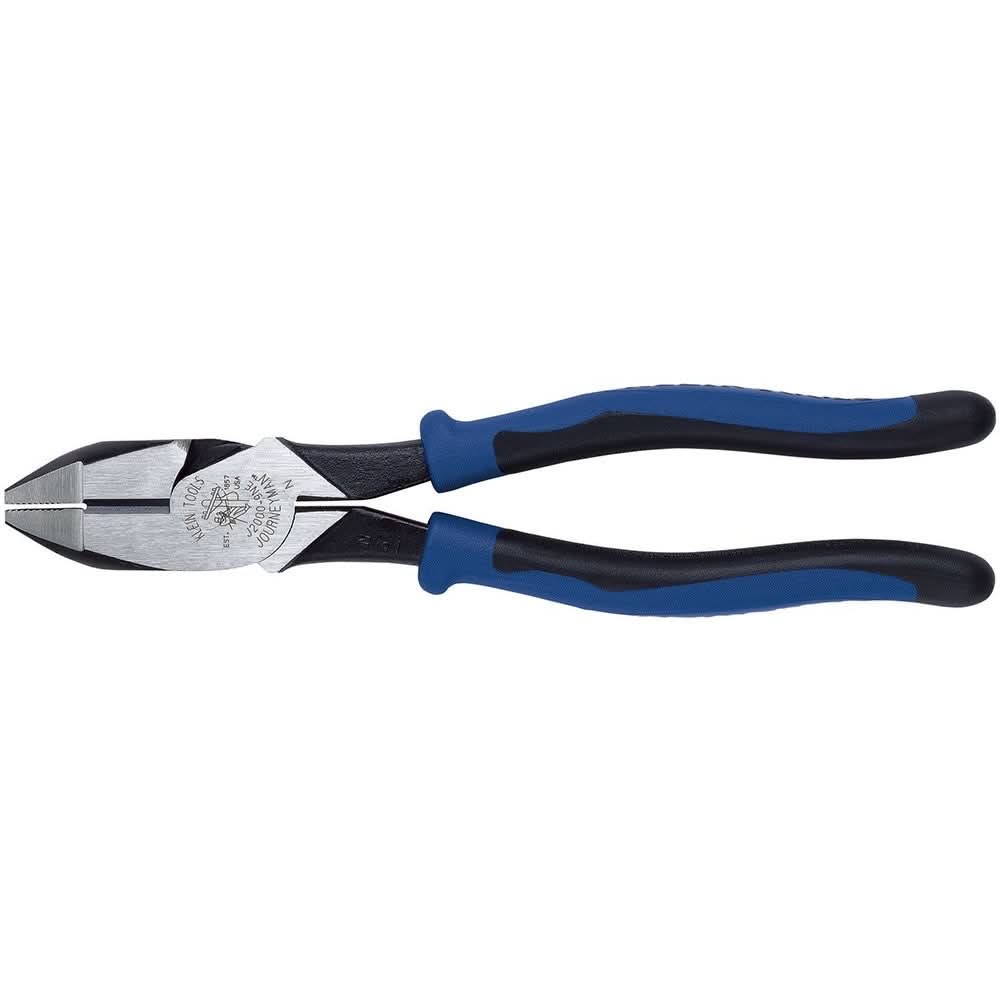
Klein vs Channellock linesman pliers — here's the verdict up front: Klein's D2000-9NE high-leverage pliers, or the classic D213-9NE, are the safe default for daily electrical work. Excellent cutting power, the handle options most electricians already trust, and a track record on every crew from apprentice to journeyman. Channellock's 369 gives you a half-inch more reach and leverage, the Permalock joint that physically cannot loosen on you, and usually a lower price — the pick for ironworkers, heavy twisting and reaming work, and anyone shopping value. Both are made in the USA. Both carry lifetime warranties. You're choosing feel and fit, not quality.
The Quick Answer — Which Should You Buy?
Buy Klein (D2000-9NE or D213-9NE) if you're an electrician running wire in panels and conduit day-in, day-out and you want the handle most of your crew already swears by.
Buy Channellock 369 if you're doing heavy structural or ironworker work, you want extra reach for pulling and twisting, or you just want a US-made, lifetime-warranty linesman for less money.
Both will still be in your pouch a decade from now. The choice is trade, feel, and budget — not durability.
Klein vs Channellock at a Glance
| Klein D213-9NE | Klein D2000-9NE | Channellock 369 | |
|---|---|---|---|
| Length | 9.35 in | 9.35 in | 9.5 in |
| Weight | — | 17.6 oz (499 g) | 1.08 lbs |
| Joint | Hot-riveted | High-leverage rivet | Permalock fastener |
| Cutting edge | Induction-hardened | Induction-hardened | Laser heat-treated |
| Handle | Plastic-dipped | Plastic-dipped | Code Blue vinyl grips |
| Country of origin | USA | USA | USA — Meadville, PA |
| Warranty | Lifetime | Lifetime | Limited Lifetime |
The D213 and D2000 share the same body length; the high-leverage rivet placement is the meaningful difference between them, not the overall dimensions. The Channellock 369's extra half-inch is real — you feel it in reach and leverage on heavy-gauge wire.
"Linesman" or "Lineman"? And What These Pliers Actually Do
Both spellings mean exactly the same tool. "Lineman" is older; "linesman" is now the more common trade and product-catalog spelling. Either search term lands you on the same side-cutting plier.
What linesman pliers do: cut wire (soft copper, hard steel, ACSR), grip and pull conductors, twist wire nuts, ream conduit, and shear screws. They're the tool that lives in the front slot of your pouch because it does five jobs that used to take three tools.
The design hasn't changed much in 80 years — but Klein and Channellock each made one specific engineering choice that sets them apart from each other and from the rest of the field.
Cutting Power and the Joint — Klein's High-Leverage Rivet vs Channellock's Permalock
What "High-Leverage" Actually Means
A standard linesman plier puts the rivet — the joint pivot — roughly centered between the handle and the cutting edge. Klein's high-leverage design moves that rivet closer to the cutting edge. Shorter distance from the rivet to the cutter means more mechanical advantage for the same amount of hand pressure.
Klein claims the D2000-9NE delivers 46% more cutting force than a conventionally-riveted plier. The difference is most noticeable on hard wire, shearing screws, and ACSR — situations where you'd otherwise be squeezing hard and still not getting through cleanly.
The D213-9NE is the standard Klein — the same body, the same induction-hardened knives, without the high-leverage rivet placement. Both are excellent. If you're cutting heavy-gauge conductors or hardened screws regularly, the D2000 upgrade is worth the modest price difference. If you're mostly working soft copper in residential panels, the D213 is more than enough.
What Permalock Is and Why Channellock Fans Swear by It

A conventional hot-riveted joint is staked in place — it works well, but if the plier sees a lot of torque and side-loading (ironwork, structural, heavy conduit bending), that rivet can work slightly loose over years of hard use. You won't notice it at first. Then one day the plier has a little slop in it.
Channellock's Permalock fastener is a different geometry — designed so it physically cannot loosen over time. Channellock markets this as a structural improvement, and the ironworkers and linemen who run their pliers hard agree. It's not a knock on Klein's riveted joint; it's just a different engineering answer to joint longevity under heavy-twisting loads.
Size and Weight — 9-Inch Klein vs 9.5-Inch Channellock 369
Half an inch sounds like nothing. In practice, it's real.
The Channellock 369's extra reach makes a difference when you're pulling conductor through conduit, twisting knockouts, or working in tight enclosures where you need the jaw tips to reach further into the box. The longer handle also gives you more torque when twisting wire — useful for ironworkers and anyone doing heavy splicing.
The trade-off: the 369 is a noticeably longer tool in the pouch. Klein's 9-inch is the all-around electrician's size for a reason — it's the right balance of reach and control for most panel and wiring work. It also fits better in a standard linesman-plier slot on a tool belt without bumping into adjacent pouches.
The quick sizing rule: 9-inch (Klein standard) is the all-around electrician size. 9.5-inch (Channellock 369) adds reach and torque for heavy structural and pulling work, at a bit more weight. Klein also makes an 8-inch linesman if you want lighter, tighter work — but that's a separate conversation.
Handles — Klein Journeyman/Plastic-Dip vs Channellock Code Blue Grips
Handle choice matters more than most reviews admit, because you're squeezing these things hundreds of times a day.
Klein's handle lineup:
- D213-9NE / D2000-9NE: Classic plastic-dipped handle. Durable, slightly harder feel. What most electricians grew up with and still prefer. Not rated for voltage insulation — these are comfort grips, not 1000V-rated.
- J2000-9NE (Journeyman): Dual-material over-mold handle — softer TPR layer over a rigid core. More cushion on long days. Same high-leverage rivet geometry as the D2000-9NE. Good upgrade for anyone whose hands ache by noon.
Klein also sells insulated linesman pliers (the 1000V-rated sets), but those are a separate product line and a separate conversation.
Channellock 369: Blue "Code Blue" vinyl comfort grips. Softer feel than Klein's standard plastic-dip. Some electricians like them; others find them a bit too soft for precise work. Also not voltage-rated.
Which handle you prefer is a legitimate personal call. If you can, hold both before you buy — the feel difference is real and it's the kind of thing you only know from picking them up.
Steel, Cutting Edges, and Made in the USA
Both Klein and Channellock heat-treat their cutting knives — they just use different methods.
Klein uses induction hardening on the D213/D2000 cutting knives. Induction hardening heats a specific zone of the blade quickly and precisely, producing a hard cutting edge backed by tougher steel. The knurled gripping jaws stay un-hardened — they need to grip, not cut, and over-hardening them would make them brittle.
Channellock uses laser heat-treating on the 369 and much of their plier line. Channellock calls out laser heat-treating as producing a consistent, controlled edge.
Real-world: both edges hold up well under normal cutting duty. High-hardness edges stay sharper longer but can chip if abused. Neither of these pliers is designed to cut hardened rod — if you're doing that, you want a purpose-built cable cutter.
Country of origin: Klein's D213-9NE and D2000-9NE lines are US-made — note that Klein also sells imported lines, so always confirm the specific model's country of origin before purchasing. Channellock manufactures its pliers in Meadville, Pennsylvania. For this audience, made-in-USA is a real purchase driver, and both brands deliver it on these models.
Price and Warranty
Both brands back their pliers for life — Klein with a lifetime warranty on hand tools, and Channellock with a Limited Lifetime Warranty covering defects in materials and workmanship, with no expiration date. Send them back if they fail, and they'll make it right.
On price: Channellock's 369 typically runs cheaper than Klein's equivalent high-leverage model at major retailers (Home Depot, Acme Tools). The gap isn't dramatic, but it's real. If you're outfitting a new apprentice or buying a second pair for the van, that spread adds up.
The Journeyman-handle Klein (J2000-9NE) costs a few dollars more than the D2000-9NE. Worth it for comfort on long days; skip it if you prefer the firmer classic handle.
Which Linesman Pliers Should You Buy by Trade?
Electrician
Klein D2000-9NE. It's the tool most of your journeymen run, the high-leverage rivet pays off on hard wire and screws, and the 9" fits the standard pouch slot. If you want the softer grip, step up to the J2000-9NE. Either way, you're holding what the majority of licensed electricians in the US reach for first.
Ironworker / Structural
Channellock 369. The extra half-inch matters for reach on structural connections, the Permalock joint handles the torque and side-loading of heavy twisting without developing slop, and the 9.5" gives you more leverage on pulling cable through iron. Also worth looking at the Channellock 3639 — the ironworker's variant — if you need the specific jaw geometry for reaming.
DIY and Homeowner
Either one. If you're wiring a subpanel, replacing outlets, or doing light electrical around the house, you don't need a different plier than what a professional uses. Klein D213-9NE (no high-leverage, slightly lower price) or Channellock 369 both work well. Buy based on which handle fits your hand.
Apprentice on a Budget
Channellock 369. Same USA build, same lifetime warranty, same capable cutting edge as the Klein — and usually cheaper. You can always buy a Klein later when you know exactly which handle you want. Starting out, the 369 is a solid tool that won't hold you back.
FAQ
Are Channellock pliers as good as Klein? Yes. Both are USA-made, lifetime-warranty linesman pliers with properly hardened cutting edges. Klein wins on handle-option variety and is the electrician default; Channellock's 369 matches it on cutting duty, adds the Permalock joint, and usually costs less. "Better" depends on your work.
What's the difference between linesman and lineman pliers? Nothing — same tool, two spellings. "Lineman" is the older term; "linesman" is now more common on product listings. Both refer to the heavy side-cutting pliers electricians and ironworkers use to cut, grip, twist, and pull.
Are Klein linesman pliers made in the USA? The D213-9NE and D2000-9NE are US-made. Klein also sells imported product lines, so check the specific model number before you buy.
Are Channellock pliers made in the USA? Yes — Channellock manufactures its pliers in Meadville, Pennsylvania.
Which linesman pliers do electricians prefer? Klein is the most common on electrical crews — the handle feel and brand recognition are baked into the trade. Plenty of experienced pros run Channellock and can't tell a working difference. It's more brand loyalty than performance gap.
What size linesman pliers should I get — 8, 9, or 9.5 inch? 9" (Klein standard) is the all-around electrician size. 9.5" (Channellock 369) adds reach and torque for heavy structural and pulling work, at a bit more weight. 8" works for lighter, tighter jobs or smaller hands. Most people choosing between these two brands are choosing between 9" and 9.5" — pick based on the work.
Do Klein high-leverage pliers really cut better? The relocated rivet puts more mechanical advantage at the cutting edge for the same hand squeeze — Klein claims 46% greater cutting and gripping power vs a conventional joint. That's noticeable on hard wire and shearing screws. The standard D213 still cuts fine; the D2000 is the upgrade for heavy-duty cutting duty.
Are these pliers worth the money vs a cheaper import? For a tool you use every day, yes. The cutting edges on both hold longer, the joints don't develop play over time, and both brands honor lifetime warranty claims. The price gap over an import pays for itself the first time you don't have to replace them.
Knipex offers a third contender that changes the conversation on jaw geometry. If you're building out your electrical kit, proper wire strippers cover the rest of what belongs in that pouch. And if you're picking between brands more broadly, the complete brand comparison looks at the full picture.