
Knipex vs Klein Pliers for Electricians: Which Belongs in Your Pouch?
Klein wins on linesman pliers for daily residential and commercial electrical work — the D213-9NE's grip and fishhook loop are hard to beat at the price. Knipex wins on diagonal cutters, where the edge geometry stays sharper longer on hardened wire, and it owns the adjustable-pliers category entirely: Cobra, Pliers Wrench, nothing Klein makes comes close.
If you're buying one brand for US rough-in and service work, buy Klein. If you're doing industrial, control-panel, or Euro-spec work, buy Knipex. Most working electricians end up with both — and that's actually the right call.
The Quick Verdict, by Task
Not every pliers decision is the same. Here's where each brand earns its place.
Twisting and Pulling Solid Copper (Linesman Pliers) → Klein
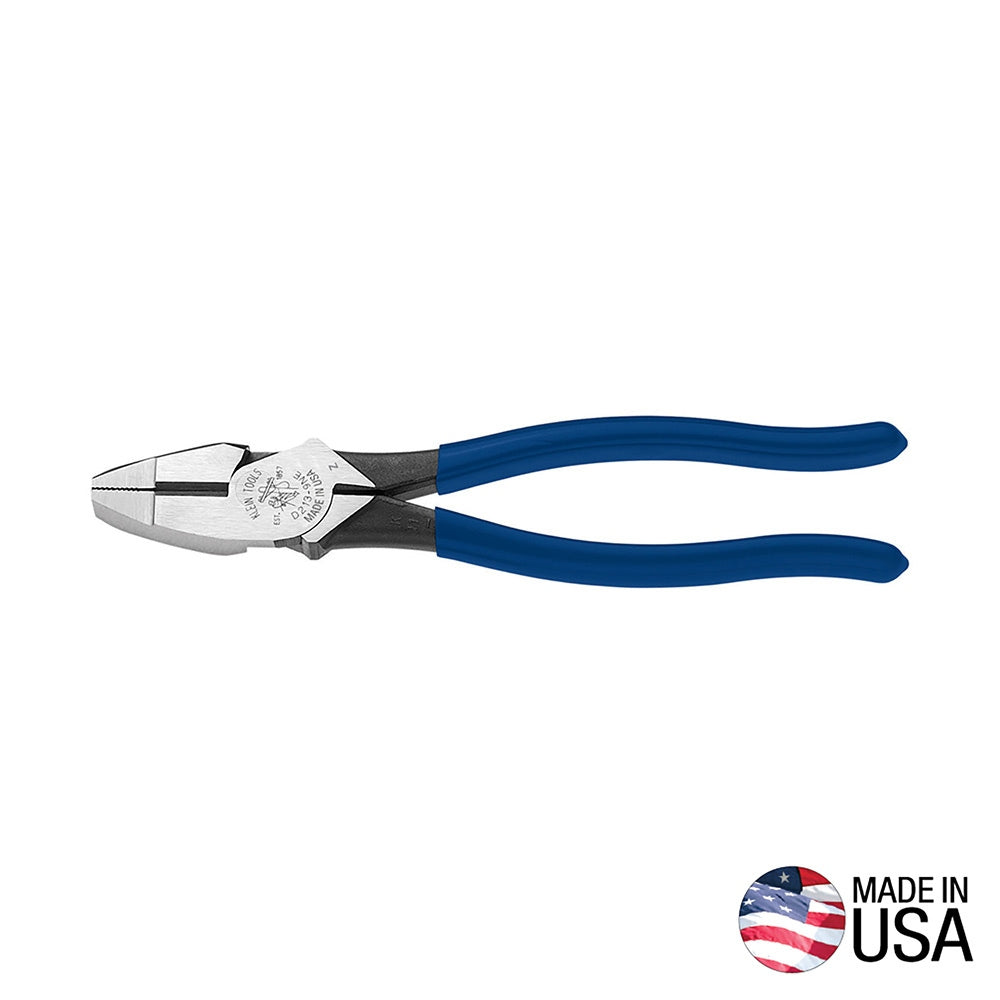
The Klein D213-9NE is the most common linesman in North American electrician pouches for a reason. The grip diameter fits most hands after a long day of twisting 12 AWG solid copper. The fishhook loop stays put when you're pulling fish tape through conduit. The integrated crimp die on most versions saves a tool swap in a tight box.
Knipex makes a linesman too — the 09 12 240 T — and it's a solid plier. The side-cutter geometry is slightly cleaner, and the T version has a tether point for overhead work. But for the classic "grab a handful of conductors and twist" motion that US residential electricians do hundreds of times a week, Klein's grip shape wins. Knipex handles sit wider open and can fatigue smaller hands over a full shift.
Flush-Cutting Hardened Wire (Diagonal Cutters) → Knipex
This one isn't close. Knipex diagonal cutters — the 74 02 200 — cut harder wire with less edge damage. The edge geometry on the Knipex produces a cleaner flush cut on piano wire, hardened cable staples, and heavy-gauge solid copper. Klein's induction-hardened edges hold up fine on soft copper and aluminum, but they chip faster on hard material. If you're cutting hardened staples or ratcheting through armored cable conductors regularly, Knipex cutters earn their premium.
Gripping Nuts, Conduit, Fittings (Cobra or Pliers Wrench) → Knipex
There is no Klein equivalent to the Knipex Cobra 87 01 250. That's not a knock — it's just not Klein's category. The Cobra grips at any angle without slipping, adjusts in one squeeze, and the 250mm model handles jaws up to 50 mm. Klein sells pump pliers and slip-joints, but no jaw mechanism in the same class. The Pliers Wrench (86 series) is the same story for chrome fittings where marring is a real concern.
Long-Nose Reach and Fine Work → Tie / Personal Preference
Both brands make solid long-nose pliers. Klein D203-8N and Knipex 26 12 200 are close enough that grip feel and price will decide it. Neither has a clear functional edge here.
Klein Tools: What They Get Right (and Where They Don't)
Are Klein Pliers Made in the USA?
Klein is a US brand, but not every Klein plier is made in the USA. Klein labels domestic production clearly — look for the "Made in USA with Global Materials" tag on individual product pages. Many linesman and diagonal cutters are still made in Rockford, IL. Others in the lineup are imported. Don't assume — check the specific SKU on kleintools.com if USA origin matters to you. Klein currently lists 13+ Made-in-USA products across categories including pliers, wire strippers, screwdrivers, fish tapes, cable cutters, wrenches, hammers, knives, and tool organizers; a filterable list of current SKUs is maintained on kleintools.com.
Induction-Hardened Cutting Edges
Klein uses induction hardening on cutting edges. They don't consistently publish Rockwell hardness numbers across all SKUs — you'll see "induction-hardened" in the feature list without an HRC value. In practice, Klein cutters handle soft copper and aluminum cleanly. The edges wear faster on hardened wire than Knipex equivalents, which is the honest trade-off.
Grip: Plastic-Dip vs. Journeyman Rubber
Klein offers two main grip styles. The standard plastic-dip handle is what generations of electricians have used — it works. The Journeyman rubber overmold is noticeably better in cold weather and after long days of repetitive motion. If you're buying Klein, the Journeyman version is worth the few extra dollars.
Price and Warranty
Klein linesman pliers run roughly $40–50 at retail for the D213-9NE. Klein backs their hand tools and tool storage with a lifetime warranty. Electrical test and measurement tools carry a 2-year warranty; rechargeable batteries and audible entertainment accessories are covered for 1 year.
Knipex: What They Get Right (and Where They Don't)
German Edge Geometry — and Why It Matters
Knipex manufactures exclusively in Wuppertal, Germany — 1,800 employees at the founding location produce 59,000 pliers daily. Their diagonal cutters are ground to approximately 61–64 HRC on cutting edges depending on the model — hard enough to cut piano wire and hardened staples cleanly. The edge angle is also more acute than most US-made equivalents, which produces a cleaner flush cut.
The Cobra and Pliers Wrench Advantage
This is Knipex's strongest argument. The Cobra's push-button adjustment locks jaw size in one motion and doesn't slip under load. The Pliers Wrench closes parallel rather than angled, which means it grips flat surfaces without marring chrome fittings. Once you use a Cobra 250mm on conduit locknuts or box connectors, going back to a standard pump plier feels like a step backward.
Grip Options: Multi-Component, Dip, and VDE
Knipex offers three main grip styles. The basic plastic-dip wears faster than Klein's Journeyman rubber — that's a real complaint you'll hear from long-time users and it's accurate. The multi-component grip (gray and red) is more durable and grippier when wet. The VDE insulated versions add a tested dielectric coat — more on those below.
One real downside: Knipex handle span sits wider open than Klein's on some models. If you have smaller hands, this causes fatigue over long sessions of opening and closing. Try before you buy if possible.
Price and Warranty
Knipex pliers cost more. The 09 12 240 T linesman commands a premium over comparable Klein models at retail. Knipex backs their pliers with a lifetime limited warranty covering defects in materials or workmanship — repairs, replacements, or refunds are available to the original purchaser. Normal wear, misuse, and maintenance-related failures are excluded, as is standard with most hand-tool warranties.
Linesman Pliers Head-to-Head: Klein D213-9NE vs. Knipex 09 12 240 T
| Klein D213-9NE | Knipex 09 12 240 T | |
|---|---|---|
| Length | 9.35 in | 240 mm (9-1/2 in) |
| Weight | 17.6 oz (499 g) | 445 g |
| Cutting edges | Induction-hardened | approx. 64 HRC |
| Grip type | Journeyman rubber or plastic-dip | Multi-component or plastic-dip |
| Fish-tape puller | Yes | Yes (varies by version) |
| Crimp die | Yes (most versions) | No |
| Tether point | No | Yes (T version) |
| MSRP (approx.) | ~$40–50 | See retailer |
The length difference is negligible — less than a quarter inch. The real differences are grip shape, the D213-9NE's built-in crimp die (useful on residential rough-in), and the Knipex T version's tether point for overhead work. The 09 02 240 drops the tether if you don't need it.
Verdict: Klein for the US electrician doing daily rough-in and service work. Knipex if you need overhead tethering or the slightly cleaner side-cutter geometry matters for your work.
Diagonal Cutters Head-to-Head: Klein D2000-48 vs. Knipex 74 02 200

| Klein D2000-48 | Knipex 74 02 200 | |
|---|---|---|
| Length | 8.05 in | 200 mm |
| Cutting edges | Induction-hardened | approx. 64 HRC |
| Performance on hardened wire | Good on soft wire | Better on hardened wire |
| Grip type | Plastic-dip | Plastic-dip or multi-component |
| MSRP (approx.) | See retailer | See retailer |
Verdict: Knipex, and it's not particularly close. If you only cut soft copper and aluminum, Klein's price point is fine. If you ever cut hardened staples, piano wire, or armored cable conductors, Knipex cutters last longer and chip less.
Long-Nose Pliers Head-to-Head: Klein D203-8N vs. Knipex 26 12 200
| Klein D203-8N | Knipex 26 12 200 | |
|---|---|---|
| Length | 8.41 in | 200 mm (8 in) |
| Tip geometry | Standard needle-nose | Slightly more refined tip |
| Side cutter | Yes | Yes |
| Grip type | Plastic-dip | Plastic-dip |
| MSRP (approx.) | See retailer | See retailer |
Genuinely close. Knipex tip geometry is a touch more refined; Klein is widely available and priced competitively. Buy whichever fits your hand and your supplier's shelf. Neither will disappoint.
What About Insulated (VDE 1000V) Pliers?
If you work on energized circuits, this section matters. Even if you don't, insulated pliers are a safety layer worth understanding.
Knipex VDE Line
Knipex's insulated catalog is extensive. Their VDE-certified pliers are IEC 60900 certified for 1,000V AC / 1,500V DC working voltage and are individually tested at 10,000V AC before shipping. They make insulated linesman, diagonal cutters, long-nose, and Cobras — a full insulated electrician pouch if that's what the job requires.
Klein 1000V Insulated Line
Klein's insulated lineup is smaller but covers the SKUs most US electricians actually need: linesman, diagonal cutters, long-nose. Klein's insulated tools meet or exceed IEC 60900 and ASTM F1505 standards. For residential and light commercial hot work, Klein's insulated tools cover the bases without the broader catalog Knipex offers.
Non-negotiable for both: Only use VDE/1000V pliers that carry the individual test mark stamped on the handle. Counterfeit "insulated" pliers exist. The test mark is the only thing that means the specific pair in your hand passed.
The Sensible Pro Kit: Buy Both Brands
The "Knipex vs. Klein" framing points you toward a false choice. The right question is which tool from each brand covers which job.
What most serious electricians end up carrying:
- Klein D213-9NE linesman — daily driver for residential rough-in, service work, and wire twisting. Grip fits most hands, crimp die is genuinely useful, price is fair.
- Knipex 74 02 200 diagonal cutters — better edge geometry for hardened wire and flush cuts. Let these replace your Klein cutters.
- Knipex Cobra 87 01 250 (250mm) — replace your Channellock with this for adjustable grip work on conduit fittings, locknuts, and connectors.
Add a Knipex Pliers Wrench if you regularly work with chrome fittings where marring is a problem. The long-nose call is a toss-up — buy whichever your supplier stocks.
This isn't sitting on the fence. It's the actual kit. Klein owns the linesman task; Knipex owns the cutting and adjustable-grip tasks. One brand doing both jobs adequately is worse than two brands each doing their job well.
Frequently Asked Questions
Are Knipex pliers worth the extra money over Klein?
Yes for diagonal cutters, pliers wrench, and Cobras — the edge geometry and jaw designs are genuinely better tools for those jobs. No for linesman pliers, where Klein's D213-9NE matches or beats Knipex at a lower price with a grip that fits more US electricians' hands.
Which pliers do most electricians use — Klein or Knipex?
US electricians overwhelmingly carry Klein linesman and side-cutters as the daily driver. Knipex has taken over the adjustable-pliers slot in a lot of pouches — Cobra is now common — and serious pros often carry Knipex diagonal cutters as a second pair when they need cleaner cuts on hardened wire.
Are Klein pliers made in the USA?
Some are, some aren't. Klein labels domestic production — check for the "Made in USA with Global Materials" flag on the individual product page at kleintools.com. Many linesman and diagonal cutters are still made in Rockford, IL. Others are imported. Klein maintains a filterable list of 13+ Made-in-USA products — including pliers, wire strippers, screwdrivers, fish tapes, cable cutters, wrenches, hammers, knives, and tool organizers — on their website. Check the specific SKU before buying if origin matters.
Where are Knipex pliers made?
Every Knipex plier is manufactured exclusively in Wuppertal, Germany, where 1,800 employees at the founding location produce 59,000 pliers daily.
Are Knipex cutters harder than Klein cutters?
Yes. Knipex specifies approximately 61–64 HRC on cutting edges depending on the model. Klein uses induction-hardened edges and doesn't consistently publish HRC values across all SKUs. In practice, Knipex diagonal cutters flush-cut harder wire — piano wire, hardened staples — with less edge damage and longer edge life.
What's the difference between Klein linesman and Knipex linesman pliers?
Klein D213-9NE has a fishhook loop, integrated crimp die on most versions, and a narrower grip. Knipex 09 12 240 T has a tether attachment point and slightly cleaner side-cutter geometry. Handle span sits wider open on the Knipex — Klein fits smaller hands better for high-rep twisting work.
Do electricians use Knipex Cobras?
Increasingly, yes. The Cobra 250mm has become a common replacement for the Channellock 420 in electrician pouches — it grips at any angle without slipping, adjusts in one squeeze, and holds position under load in a way standard tongue-and-groove pliers don't.
Klein Journeyman vs. Knipex multi-component grip — which is better?
Journeyman rubber is warmer in cold weather and more comfortable for long sessions of repetitive motion. Knipex multi-component is grippier when your hands are wet. Most electricians prefer Journeyman for outdoor winter work; Knipex for shop environments. Personal preference settles it.
Are Klein and Knipex pliers 1000V rated?
Both make VDE-certified 1000V insulated pliers tested to IEC 60900 standards. Knipex's insulated catalog is broader; Klein covers the core electrician SKUs. For energized work, only use pliers with the individual test mark on the handle — don't rely on "insulated" packaging alone.
Go Deeper
The linesman matchup has more to it than a table. If you're deciding specifically between the D213-9NE and the Knipex 09 12 240 T — grip geometry, fishhook loop, when the price premium is and isn't worth it — the full breakdown is in our detailed guide.
For the Cobra vs. Channellock question, our full breakdown covers jaw geometry, grip capacity, marring risk on chrome fittings, and why the Cobra replaced the 420 in a lot of serious pouches.
If you're weighing whether the Knipex Pliers Wrench is actually worth the premium over a standard adjustable wrench, that case is made here.