
Klein vs Knipex Linesman Pliers: Which 9-Inch Pair Belongs on Your Belt?
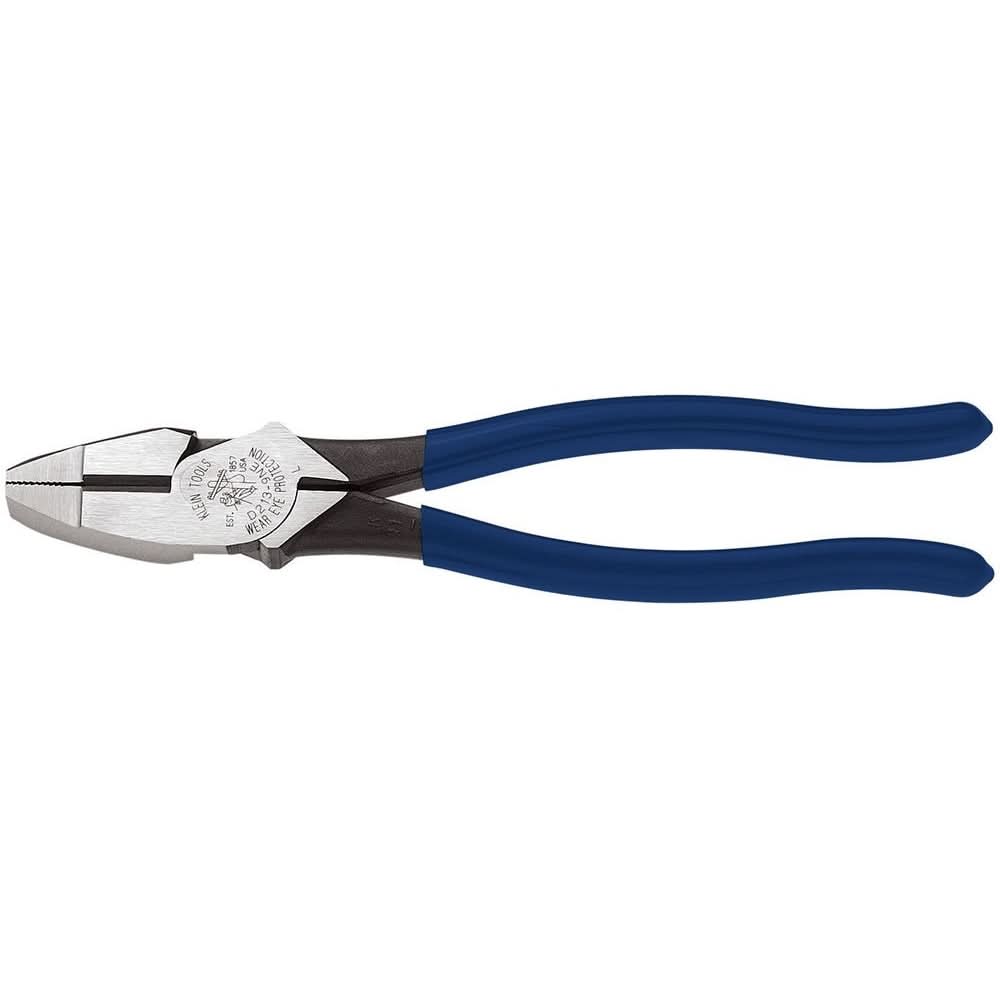
The short answer: Klein D213-9NE linesman pliers for residential and commercial electrical work — made in Mansfield, Texas, around $40, handles everything most electricians do every day. Knipex 09 11 240 for industrial, utility, and hardened-wire work — made in Wuppertal, Germany, around $70, with an ultra-high-leverage geometry the manufacturer claims delivers up to 60% more cutting power than a conventional design, approximately 64 HRC cutting edges, an integrated fish-tape puller, and a crimping zone for end sleeves. If your wire diet is soft copper and THHN, save the $30. If you cut screws, ACSR, or piano wire with any regularity, spend it.
Both are 9-inch linesman pliers. Both grip, twist, pull, and cut. The differences that matter are in the cutting edges, leverage geometry, and the added features Knipex engineered into the head — and whether those features match your actual work.
Quick Verdict — Which One for Which Trade?
Residential Electrician → Klein D213-9NE
Pulling Romex and THHN, twisting wire nuts, cutting 12 AWG — Klein does all of it cleanly. The D213-9NE is the pair most American apprentices learn on, and for good reason: it's balanced, familiar, and the warranty is handled stateside. On soft copper, you'll never notice the edge-hardness difference between these two tools.
If you want the same geometry with a more comfortable handle, Klein's D2000-9NE "Journeyman" swaps the classic plastisol dip for a two-component grip. Same cutting capacity, same made-in-Mansfield origins — just a better feel on long days.
Commercial / Industrial Electrician → Toss-Up, Lean Knipex If You Cut Hardened Wire
Heavy commercial work is still mostly copper, but heavier gauge, more raceway hardware, more bolt-and-anchor territory. If you're occasionally clipping hardened conduit clips or drive screws, the Knipex edge has more headroom before rolling. If you're running EMT and MC cable without touching hardened fasteners, Klein handles it and costs less.
Lineman / Utility → Knipex 09 11 240

This is where the 09 11 240 was designed to live. The fish-tape puller in the head jaw saves time every day on conduit runs. The high-leverage geometry reduces hand fatigue across a shift. And the elevated cutting-edge hardness matters when cutting ACSR isn't an occasional thing — it's Tuesday and Wednesday and Thursday.
HVAC / Mechanic / DIY → Klein, Every Time
You're not cutting hardened wire in volume. You need grip, pull, and a clean cut on standard wire. Klein D213-9NE does that for $30 less. The Knipex features don't improve your work in this context.
Spec Head-to-Head: Klein D213-9NE vs Knipex 09 11 240
| Spec | Klein D213-9NE | Knipex 09 11 240 |
|---|---|---|
| Overall length | 9.3 in | 9.45 in (240 mm) |
| Weight | ~1.0 lb | ~0.95 lb |
| Cutting-edge treatment | Induction-hardened (HRC not published) | ~64 HRC, additionally induction-hardened |
| Claimed cutting advantage | Standard high-leverage geometry | Significantly more cutting power vs. conventional geometry (mfr. claim)¹ |
| Material | Forged high-leverage steel | Chrome vanadium electric steel, forged, oil-hardened |
| Made in | USA (Mansfield, TX) | Germany (Wuppertal) |
| Fish-tape puller | — | ✓ |
| Crimping zone | — | ✓ (end sleeves / cable connectors) |
| Street price | ~$40 | ~$65–75 |
| Warranty | Lifetime against defects | Lifetime against defects |
¹ Manufacturer's claim for the 09 11 240 high-leverage geometry. Not independently tested.
Specifications drawn from manufacturer data sheets. Prices are street estimates at time of writing — check current listings before buying.
How They Feel in the Hand
Klein — Classic American Profile
The D213-9NE's plastisol-dipped handle is the same shape that American trades have used for decades. If you've used any pair of linesman pliers on a job site, you've probably used this handle. The balance point sits close to the pivot, so the head doesn't feel heavy. Most people find it comfortable immediately — no break-in.
The D2000-9NE "Journeyman" version adds a two-component handle and a side notch for conduit bending. Same jaw geometry, more comfortable grip, small price premium. Worth knowing about if handle feel matters to you.
Knipex — Slimmer Head, More Leverage, Multi-Component Option
The 09 11 240's head is slightly slimmer than Klein's, which helps in crowded junction boxes. The pivot is positioned for mechanical advantage over symmetry — you feel it when closing the jaws on something hard. The standard 09 11 240 uses a plastisol-dipped handle; if you want a multi-component ergonomic grip, Knipex offers the 09 12 240 as the variant.
The handle profile is less familiar if you've used American pliers your whole career. Give it a shift or two before making a final call on comfort.
Which Cuts Harder Wire: Klein or Knipex?
Soft Copper — Both Fine
12 AWG, 10 AWG, 8 AWG annealed copper — neither tool struggles here. There's no meaningful difference in this use case. If this is all you're cutting, save the $30 and buy Klein.
Hardened ACSR and Piano Wire — Knipex Wins on Edge Retention
ACSR has a steel core that nicks a lower-hardness cutting edge over time. Piano wire is worse — it's essentially spring steel. The Knipex 09 11 240 carries published cutting-capacity ratings for hard wire and piano wire — see the current spec sheet on knipex.com for the precise diameter ratings. The 64 HRC cutting edges hold those ratings over a long working life.
Klein's cutting edges are also induction-hardened. Klein does not publish hardness or hard-wire cutting-capacity specifications for the D213-9NE on its public spec page. The practical takeaway, consistent across field reports and tool forums: the Knipex edge holds up longer on repeated cuts of hardened material. The Klein edge is fine until you're cutting hardened wire regularly — then you feel the gap.
Cutting Screws — Knipex, and Only When You Have To
Both tools *can* cut a screw. Neither was designed to do it daily. The Knipex edge has more hardness headroom before rolling. But if screw-cutting is a regular part of your job, a bolt cutter or the Knipex 09 08 240 (the variant with a built-in cable cutter) is the right tool. Don't make screw-cutting a habit with any pair of linesman pliers.
Fish-Tape Puller and Crimping Zone — Gimmick or Useful?
The Knipex 09 11 240 has two features built into the head that the Klein D213-9NE does not: an integrated fish-tape puller (a jaw slot that grips fish tape without chewing up the tip) and a crimping zone sized for end sleeves and cable connectors.
Fish-tape puller: Genuinely useful for lineman and utility work where you're pulling tape through conduit daily. The slot grabs the tape cleanly. For residential rewire where you're pulling Romex by hand with no tape, this feature never comes into play.
Crimping zone: Useful for terminating end sleeves and cable connectors in lineman or low-voltage work. For a residential or commercial electrician whose crimp work is handled by a dedicated ratcheting crimper, it's not going to see use.
If you want Klein's take on this feature set, the D213-9NEFT is Klein's linesman pliers variant with an integrated fish-tape puller and crimper — verify the current model number and spec details directly on kleintools.com. If made-in-USA matters and you want the extra features, that model is worth a direct comparison against the Knipex before you decide.
Price, Warranty, and Where They're Made
Klein D213-9NE: Manufactured in Mansfield, Texas, USA. Klein has run US manufacturing at that facility since 1984. Street price around $36–45 depending on retailer. Klein backs the tool with a limited lifetime warranty against defects in material and workmanship — handled through Klein in the US.
Knipex 09 11 240: Manufactured in Wuppertal, Germany, where Knipex has made pliers since 1882. Street price around $60–80. Knipex covers defects in materials and workmanship under a lifetime warranty.
Both warranties are genuine lifetime coverage against manufacturing defects — not wear, not user damage, not evidence of misuse like cutting above rated capacity. Worth reading the fine print on both before you assume what's covered:
- Klein: kleintools.com/warranty
- Knipex: knipex-tools.com
The made-in-USA vs. made-in-Germany distinction matters to some buyers and is irrelevant to others. Both factories have multi-decade track records for quality. This one's a values call, not a performance call.
The Honest Case for Going Cheaper (Or Neither)
If you already own a dedicated wire stripper and a ratcheting crimper, neither tool's "extra" features apply — and a $20–25 imported pair of linesman pliers handles soft copper wire just fine for occasional DIY use.
The cases where you should not go cheap:
Daily professional use at high cut counts. Budget linesman pliers wear faster. You'll replace two pairs in the time a Klein lasts — Klein stops being the expensive choice quickly.
Cutting hardened wire with any regularity. Cheap edges roll fast. You end up needing two hands on a cut that should take one, and the edge degrades faster with every attempt.
Utility or lineman work. The fish-tape puller alone pays back the Knipex premium faster than you'd expect. The first time it saves you 15 minutes on a conduit run, you're already ahead.
For trade professionals, Klein D213-9NE is the floor — not the middle. For utility and industrial work where the Knipex features genuinely match your job, the $30 premium is earned before the end of the first week.
FAQ
Are Knipex pliers worth the extra money over Klein?
For hardened-wire work and high daily cut counts, yes. The elevated cutting-edge hardness holds up longer, and the high-leverage geometry reduces hand fatigue on a full shift. For residential electrical — Romex, THHN, wire nuts — Klein does the same job for $30 less. What you're cutting and how often is the only question that matters here.
Where are Klein lineman pliers made?
Klein D213-9NE is manufactured in Mansfield, Texas, USA, and carries a Made in USA designation. Klein has maintained US manufacturing at that facility since 1984. Confirm the current callout directly on the Klein product page.
Where are Knipex pliers made?
Knipex tools, including the 09 11 240, are made in Wuppertal, Germany. Knipex has manufactured pliers in Wuppertal since 1882. Confirm on knipex.com.
Which lineman pliers do electricians prefer?
In the United States, Klein is the default. Most apprentices pick up Klein on their first job or get issued a pair. Knipex has built a real following among electricians who buy on cutting performance over tradition — they're notably vocal about it on every tool forum. You'll see more Kleins on US job sites overall, but the Knipex camp is consistent.
What's the difference between linesman pliers and side cutters?
Linesman (or lineman's) pliers have flat gripping jaws *plus* a side-cutting edge — they grip, twist, pull, and cut wire. Diagonal cutters only cut. Linesman pliers are the more versatile tool; diagonal cutters are more precise for tight-space or flush cuts. Not interchangeable for daily electrical work.
Can Knipex pliers cut hardened wire?
Yes. The 09 11 240 cutting edges are induction-hardened to 64 HRC, with rated cutting capacities of 3/16″ (4.6 mm) for medium hard wire and 1/8″ (3.0 mm) for hard wire. Stay within those diameters. Anything above is bolt-cutter territory.
Do Klein and Knipex pliers have lifetime warranties?
Both cover defects in materials and workmanship under lifetime warranties. Klein's is at kleintools.com/warranty. Knipex covers defects through knipex-tools.com. Neither covers wear, damage from abuse, or cutting above rated capacity. Read the terms before assuming what qualifies.
What's the Klein equivalent of the Knipex 09 11 240?
The closest Klein match is the D213-9NEFT, Klein's linesman pliers variant with a fish-tape puller and crimping zone added to the standard Klein jaw — confirm the current model number and full feature set on kleintools.com before purchasing. If the Knipex features appeal but you want American-made, this model is the direct comparison to run.
Still deciding between these two? If you're actually in the market for adjustable pliers rather than linesman pliers, the same brand question plays out differently — read our Channellock vs. Knipex Cobra comparison for that one. Already sold on the Knipex premium and wondering if the Pliers Wrench is worth it too? That answer is over at our Knipex Pliers Wrench review.
Specs and current pricing live at the source: Klein D213-9NE on kleintools.com and Knipex 09 11 240 on knipex.com.