
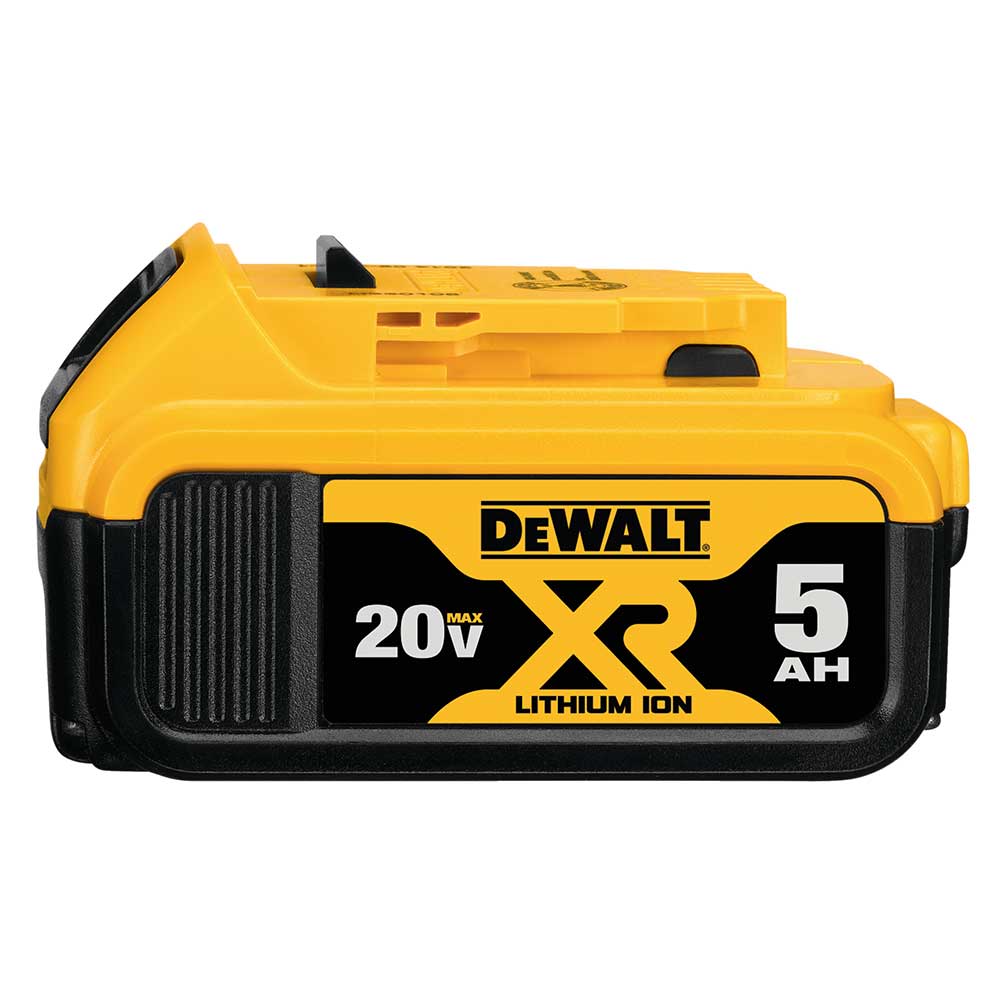
Aftermarket vs. Genuine DeWalt 20V Batteries: Which Should You Actually Buy?
The aftermarket vs. genuine DeWalt 20V battery question comes down to one thing: how hard your tools pull. Genuine packs cost more for a reason — real cells, a real BMS, and a backed 3-year warranty. Aftermarket packs cost less, sometimes a lot less, and the reputable ones work fine for plenty of jobs. High-drain tools — circular saw, angle grinder, high-torque impact — deserve genuine. Low-drain tools (LED lights, low-torque drivers, occasional DIY) can run a quality aftermarket pack without drama. First: does that pack even fit and charge on your DeWalt gear? And know this up front — aftermarket and non-genuine non-genuine are not the same thing.
"20V MAX" is a peak, no-load marketing voltage. The working nominal is 18V, same lithium chemistry as every other "18V/20V" platform on the market. That clears up a lot of confusion.
The Short Answer — When Each One Makes Sense
Genuine is the safe default. Aftermarket is a calculated gamble — one that pays off for some users and goes sideways for others.
Buy genuine when:
- You run a circular saw, grinder, reciprocating saw, or high-torque impact wrench
- The tool is under warranty and you want to keep it that way
- You charge unattended, overnight, or in an enclosed space
- You need runtime you can actually plan around
Buy a reputable aftermarket pack when:
- The tool is low-drain: LED flood light, low-torque driver, a drill for occasional framing holes
- You're a DIYer with a few batteries and want an inexpensive backup
- The brand carries a real UL listing and there's an actual company standing behind it
- You test the pack on your charger before relying on it
The draw rule: if the tool pulls serious current under load, cheap cells will sag, run hot, and wear out fast. Buy genuine for those tools. For everything else, a quality aftermarket pack is defensible.
What "Genuine DeWalt 20V MAX" Actually Gets You
Genuine packs use quality lithium-ion cells — typically Samsung, LG, or Sony — with tight capacity tolerances. A 5.0 Ah genuine pack delivers close to 5.0 Ah when new. That sounds obvious, but it's not something you can take for granted with aftermarket.
The BMS matters more than most buyers realize. DeWalt's battery management system handles thermal protection, over-discharge cutoff, and cell balancing. It also communicates with the charger. That handshake is relevant: newer DeWalt fast chargers run an authentication pass with the pack. An aftermarket battery with a weak or absent communication circuit may trigger a fault code, slow-charge only, or not charge at all.
Warranty coverage is real and it extends beyond the pack. DeWalt backs genuine batteries with a 3-Year Limited Warranty. Critically, that warranty also protects the tool — if a genuine battery malfunctions and damages your saw, DeWalt covers it. Aftermarket changes that math.
If you resell tools, genuine batteries hold value. Aftermarket packs do not.
The FLEXVOLT 12.0 Ah battery is the highest-capacity genuine pack we carry — it runs at 20V in standard tools and shifts to 60V in FLEXVOLT tools. It's not cheap, but if you're running a FLEXVOLT saw or large-capacity tool through a full day, it's the only honest answer.
What "Aftermarket" Really Covers (and How It Differs from a Non-genuine)
This distinction matters and most posts skip it.
Aftermarket means a legitimate third-party company built a battery to fit DeWalt's 20V MAX platform. They're not hiding what they are. Some use decent cells; some don't. Price is your main quality signal — a $20 "5.0 Ah" pack is lying about its capacity.
Non-genuine means someone built a battery, stamped the DeWalt logo on it, and sold it as genuine. That's fraud, and it's a different risk level entirely: non-genuine cells, no real BMS, no independent safety testing — inside a DeWalt-colored case. People buy non-genuine units thinking they got a deal on genuine, and that's where the fire reports originate.
How to tell the difference before you buy: Read how to spot a non-genuine. Read it before purchasing any discounted "genuine" pack from an unfamiliar seller.
Reputable aftermarket brands are transparent. The safest carry a UL listing — that means an independent lab tested the pack for basic electrical safety. It's a floor, not a ceiling, but it's meaningful.
Will an Aftermarket Battery Fit and Charge on Your DeWalt Tools?
Short answer: probably, but not guaranteed.
Most aftermarket 20V MAX packs are engineered to fit the same physical slot as genuine DeWalt batteries. The connector geometry is consistent enough that they generally seat and lock correctly on standard 20V MAX tools.
The charger is where it gets complicated. Newer DeWalt chargers — especially fast chargers — run a communication handshake with the battery's BMS. If the aftermarket pack's circuit is incomplete or missing, the charger may slow down, flash a fault, or refuse to charge. Test any aftermarket pack on your specific charger before depending on it.
FLEXVOLT is a separate story entirely. The voltage-switching logic lives inside the battery — genuine genuine FLEXVOLT packs switch between 20V and 60V based on the tool's draw. Aftermarket packs claiming FLEXVOLT compatibility often don't make that transition reliably. For FLEXVOLT tools, buy genuine.
Wondering whether your 20V battery works on other brands' tools too? Battery compatibility across brands covers the adjacent compatibility question.
The Real Trade-offs — Price, Runtime, Safety, Warranty
| Factor | Genuine DeWalt | Reputable Aftermarket | Cheap / No-Name |
|---|---|---|---|
| Price | Higher | Lower | Lowest |
| Rated Ah accuracy | Close to stated | Usually overstated | Often significantly overstated |
| Cell quality | Tier-1 | Variable | Unknown / low-grade |
| BMS / protection | Full | Partial on better brands | Minimal or absent |
| Charger compatibility | Always | Usually — test first | Unreliable |
| Tool warranty impact | None | May void if damage occurs | Voids warranty |
| UL safety listing | Yes | Yes (reputable brands) | Often absent |
| Fire / swell risk | Very low | Low (UL-listed) | Higher |
| Warranty (battery) | Manufacturer — see note* | Limited, varies | None practical |
| Cycle life | Longer | Shorter | Shortest |
*\*Warranty term: 3 years on standard 20V MAX batteries.*
The line most people miss is tool warranty. If an aftermarket battery fails and damages your tool, DeWalt can — and does — deny the tool warranty claim. A $30 battery saving can cost you coverage on a $300 saw. Know the math before you commit.
The Rule That Decides It — High-Drain vs. Low-Drain Tools
| Tool / Use Case | Current Draw | Battery Recommendation |
|---|---|---|
| Circular saw (6-1/2" blade) | High | Genuine |
| Angle grinder | High | Genuine |
| Reciprocating saw — demo work | High | Genuine |
| High-torque impact wrench | High | Genuine |
| Hammer drill — masonry | High | Genuine |
| Standard drill/driver — framing, decking | Medium–High | Genuine preferred |
| Low-torque impact driver — finish work | Medium | Aftermarket reasonable |
| LED work / flood light | Low | Aftermarket reasonable |
| Rotary tool / oscillating multi-tool | Low–Medium | Aftermarket reasonable |
| Tire inflator — occasional | Medium | Aftermarket reasonable |
| Any tool — infrequent DIY use | Low cycle count | Aftermarket reasonable |
The pattern is consistent: any tool under real electrical load needs cells that can deliver current without voltage sag and heat. Quality cells do that. Cheap cells don't — or not reliably, and not for long.
For the low-drain column, a UL-listed pack from a real brand is a defensible buy, especially as a backup or for tools you run a few times a month.
The Money Move Most People Miss
Most of this discussion assumes you need more batteries. Sometimes you don't.
If you own genuine DeWalt 20V MAX packs and want to get more out of them — on site, on the truck, wherever — the cheapest move is an accessory that puts those packs to work beyond the tool.
The 150W power inverter turns any DeWalt 20V MAX pack into an AC outlet. Phone charger, LED light, a small fan — anything that runs on a standard plug. The USB-C charger does the same for USB devices, at 65W USB-C. Your phone, a tablet, a lightweight laptop.
Buy genuine packs once. Use them for more than just the tool. That math often beats buying a second cheap pack you're not sure about.
For a side-by-side on whether a USB charger or full inverter makes more sense for your setup: USB charger or power inverter — which works for you.
FAQ
Are aftermarket DeWalt 20V batteries any good?
Reputable ones — real UL listing, real company behind them — are usable for low-drain tools and casual DIY. On high-drain tools like circular saws and grinders, cheaper cells sag under load, run hot, and wear out faster. Genuine is the safer pick there, and not just for performance.
Do aftermarket batteries void the DeWalt warranty?
They void the aftermarket battery's own coverage. The bigger issue: if the battery damages your tool, DeWalt can deny the tool warranty claim. That's the risk most people don't think about until they're arguing at a service center.
Will aftermarket batteries work in DeWalt tools and charge on a DeWalt charger?
Most 20V MAX aftermarket packs fit the physical slot and charge on DeWalt chargers. Some trip fault codes or only slow-charge on newer authenticated chargers. Always test it on your specific charger before depending on it in the field. FLEXVOLT compatibility claims from aftermarket brands deserve extra skepticism.
Are aftermarket DeWalt batteries a fire risk?
A UL-listed pack from a legitimate brand carries minimal fire risk when handled properly. The danger zone is no-name packs with no real protection circuitry — those are where swelling and fire reports originate. Never charge any lithium pack unattended if you're not confident in its safety rating.
What's the difference between an aftermarket battery and a non-genuine DeWalt battery?
Aftermarket is an honest third-party brand, openly not DeWalt. Non-genuine is a non-genuine sold as genuine DeWalt. The non-genuine is the more serious problem — non-genuine units often have no real BMS and fail in ways a legit pack won't. If something about the "genuine" DeWalt deal looks off: Learn to identify non-genuine units.
How long do aftermarket batteries last compared to genuine?
Genuine packs hold closer to their rated capacity through more charge cycles. Budget aftermarket often overstates Ah from day one and fades faster. How much faster depends on the cells inside — no independently verified cycle-life comparison has been published for these pack categories, so treat any specific number you see cited with skepticism.
The Genuine DeWalt Gear We Actually Carry
Tool Army stocks genuine DeWalt and accessories — we don't sell aftermarket packs. That means this isn't a self-serving recommendation. If you're replacing a worn pack or building out your platform, our DeWalt lineup is where to start.
For the highest-capacity genuine option we carry, the FLEXVOLT 12.0 Ah pack covers both 20V MAX and 60V MAX tools. Pair it with the simultaneous four-port charger, which charges all four ports at once — no waiting for one pack to finish before the next one starts.
And if you want to get more utility out of the genuine packs you already own, the AC power inverter is the most useful thing you can add to your kit for less than the cost of a new battery.
Still deciding which genuine 20V MAX pack is right for your tools? Guide to choosing the right 20V MAX battery. For the full platform rundown: Complete DeWalt 20V MAX platform guide.